Introduction
Headless Shopify has emerged as one of the most reliable ways for brands to elevate their online shopping experience, especially as customer expectations shift toward speed, personalization, and multi-platform accessibility. Instead of being limited by a theme-based system, this approach separates the storefront from the backend, giving brands complete control over design, performance, and future scalability. Many merchants turn to this solution when they realize their current setup cannot support the type of shopping experience they want to deliver. As the digital landscape evolves, headless architecture offers a clear path to long-term growth.
What Headless Shopify Really Means
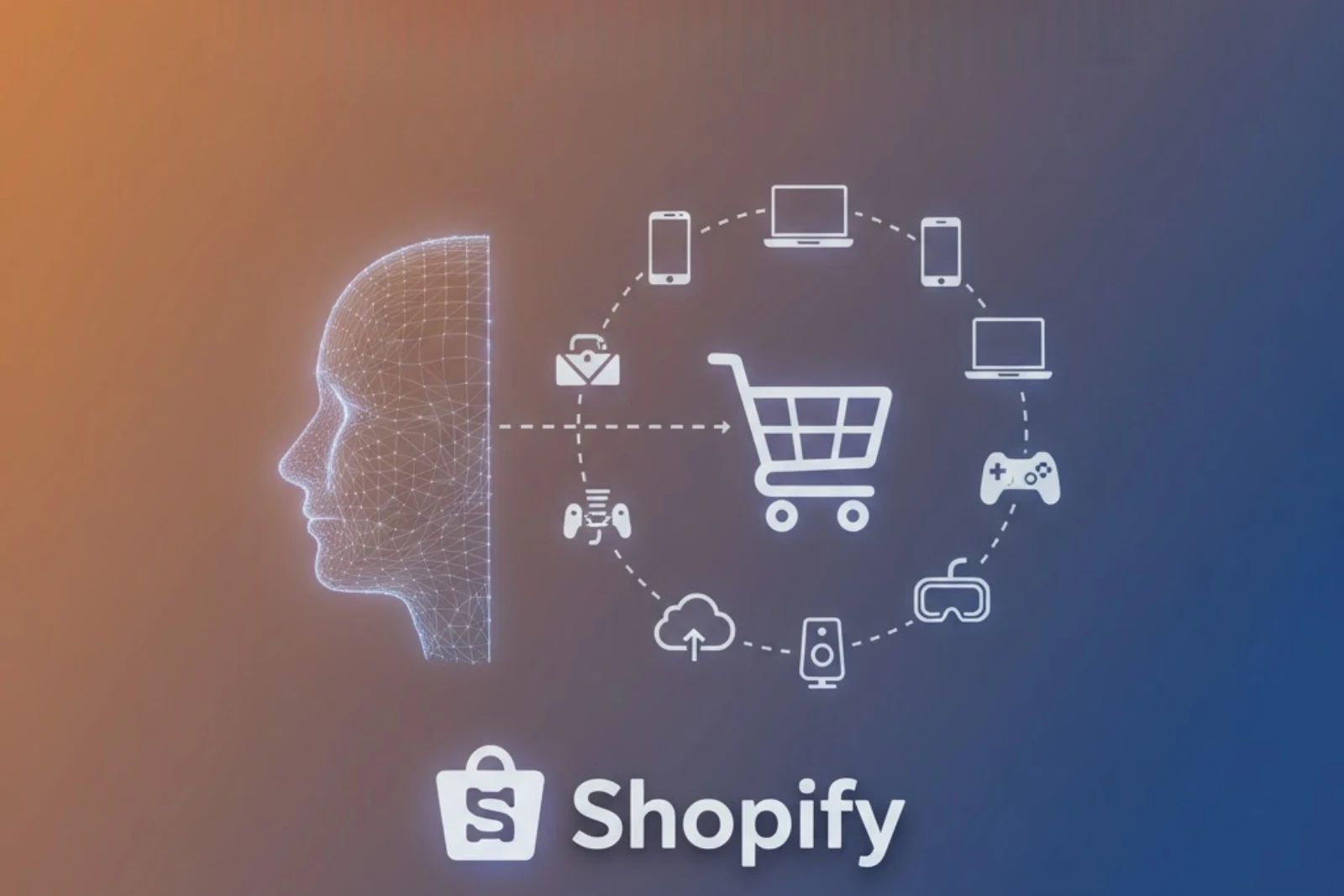
In simple terms, Headless Shopify allows a brand to treat its storefront and backend as two independent systems. Shopify continues managing essentials such as products, checkout, security, and orders, but the customer-facing experience is built using modern frameworks like React, Next.js, Vue, or Angular. This separation gives freedom that traditional themes often cannot provide. Brands can create immersive layouts, dynamic interactions, and app-like experiences without worrying about template limitations. The system becomes flexible enough to expand into new digital channels without rebuilding the core commerce engine.
For readers who want a deeper technical explanation, the official Shopify documentation is an excellent reference (dofollow):
https://shopify.dev/docs/custom-storefronts
Why This Architecture Is Rising in Modern Commerce
Today’s online shoppers expect instant loading, smooth transitions, and personalized browsing. Traditional theme structures struggle under these expectations, especially when businesses grow or introduce more content and features. Headless Shopify solves this by allowing developers to preload content, optimize rendering, and deliver near-instant interactions. The experience becomes richer and more responsive across web, mobile, and emerging platforms.
Brands working with the Best digital marketing company in India or evaluating a Digital marketing agency near me often find that headless setups give them the creative flexibility needed to differentiate themselves in crowded markets. With competition increasing rapidly, the ability to shape every pixel of the customer journey becomes a strategic advantage rather than a luxury.
How Headless Shopify Creates Faster, Smarter Stores
One of the biggest benefits of Headless Shopify is performance. Modern frameworks allow pages to load with almost no delay, resulting in better engagement and significantly improved conversion rates. Speed influences how users perceive brand quality, and nothing damages trust faster than a slow store. With headless architecture, developers can remove unnecessary code, optimize image delivery, and implement caching strategies that drastically improve the browsing experience.
The freedom to design without theme restrictions enables more interactive storytelling, dynamic product displays, micro-animations, and personalized content sections. These elements help brands stand out, especially those working with the Best digital marketing company to craft a long-term strategy. In addition, a unified backend ensures consistency across websites, apps, and new platforms, making expansion into new digital environments faster and more cost-effective.
Practical Considerations before Switching
While Headless Shopify is powerful, it introduces new responsibilities. A fully custom front end requires technical expertise, which means the investment is higher compared to using a built-in theme. Development teams must handle deployment, hosting, caching logic, API integrations, and ongoing optimization.
Brands that consult the Best digital marketing company in India often start with a phased rollout, focusing on one section of the store before expanding. This reduces risk and allows teams to measure improvements carefully. The added flexibility is worth the effort for businesses that prioritize unique design, long-term scaling, or global expansion. The key is having clarity on what the brand wants to achieve so the development approach aligns with business goals.
Technology Behind a Successful Headless Setup
A typical headless structure relies on Shopify as the backend, combined with the Storefront API or GraphQL API to fetch data. The front end is usually deployed through platforms like Vercel or Netlify for high performance. CDNs such as Cloudflare distribute assets across regions, reducing load times even further. Many brands integrate a headless CMS for content or a PIM system for large catalogs.
An excellent technical breakdown is available on Vercel’s official site (dofollow):
https://vercel.com/integrations/shopify
For internal learning, you can also explore our guide on choosing scalable commerce architecture (internal link):
https://yourwebsite.com/ecommerce-architecture
Choosing the Right Partner
Headless Shopify requires a partner with strong knowledge of Shopify APIs, JavaScript frameworks, and performance engineering. Case studies and past headless builds are important indicators of real expertise. Many businesses search for a Digital marketing agency near me or evaluate the Best digital marketing company to find a team that can plan design, development, testing, SEO migration, and long-term support.
The partner you choose should understand omnichannel strategy, modern UX practices, and the importance of ecommerce scalability. A developer who only builds theme-based stores may struggle with the architectural complexities of going headless. A partner who understands both design and engineering ensures the storefront remains fast, stable, and aligned with your business vision.
Conclusion
Headless Shopify is reshaping the future of digital commerce by offering unmatched flexibility, high performance, and the ability to innovate freely. Whether you are consulting the Best digital marketing company in India or researching options beyond a Digital marketing agency near me, it is clear that headless architecture empowers modern brands to build better experiences. With thoughtful planning, phased implementation, and the right team, a headless storefront becomes a long-lasting foundation that supports creativity, growth, and competitive advantage.